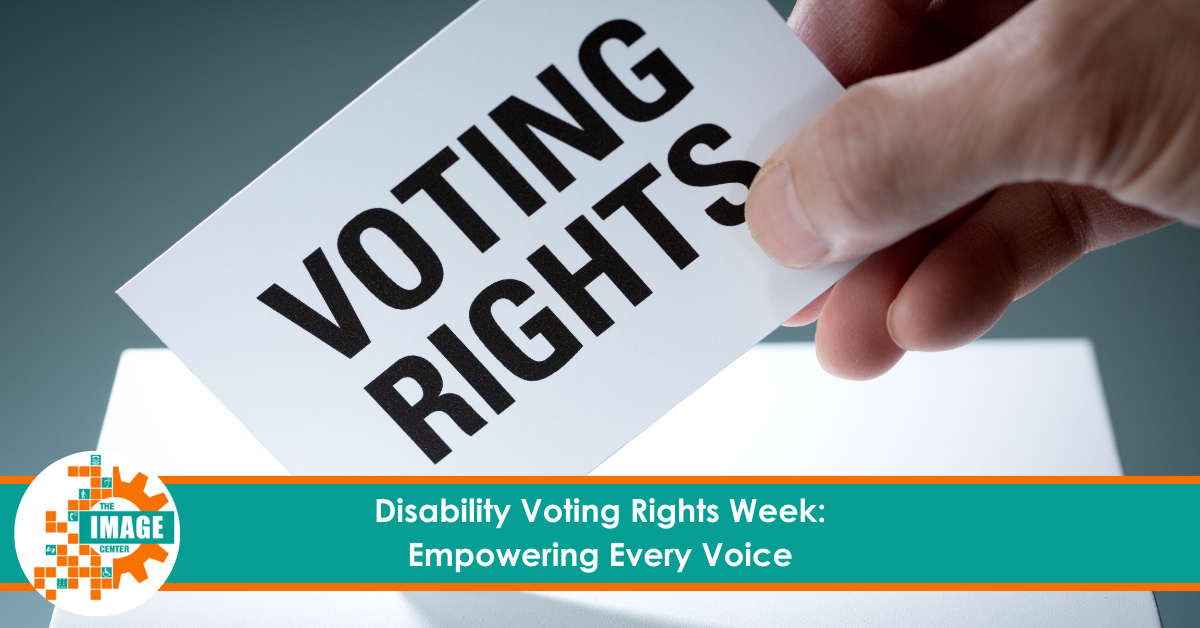
As we acknowledge Disability Voting Rights Week (DVRW), it’s crucial to highlight the importance of ensuring that every person, regardless of ability, has an equal opportunity to participate.
In a democracy, the right to vote is one of the most fundamental expressions of civic participation. However, for millions of Americans with disabilities, exercising this right can be fraught with challenges. Disability Voting Rights Week, observed annually, serves as a critical reminder that all citizens—regardless of physical, mental, or emotional abilities deserve equal access to the voting process.
Disability Voting Rights Week is not just a symbolic gesture but a call to action. Its purpose is to raise awareness about the barriers disabled voters often face and to advocate for more accessible voting systems. These barriers range from physical inaccessibility at polling places to inadequate resources for voters with cognitive or sensory disabilities. While significant strides have been made with legislation like the Americans with Disabilities Act (ADA) and the Help America Vote Act (HAVA), many obstacles remain, and this week serves as a national effort to continue breaking down those barriers.
Voting Barriers Disabled Individuals Face
- Physical Accessibility: While the ADA requires polling locations to be accessible, some buildings still fail to meet the standards. Narrow doorways, lack of ramps, and inadequate parking can make it difficult or impossible for individuals with mobility challenges to vote in person.
- Voting Machines and Ballots: In some areas, voting machines are not equipped with features for voters with visual or hearing impairments. Additionally, ballots may not be available in formats that accommodate various disabilities, such as braille or large print.
- Lack of Information: Disabled voters may struggle to find clear information on accessible voting options, such as mail-in ballots or curbside voting, due to poor outreach efforts from local election boards.
- Voter Suppression and Discrimination: In some cases, disabled voters have faced outright discrimination at the polls, whether through hostile attitudes, dismissive poll workers, or legal challenges over guardianship and mental capacity that limit their right to vote.
Disability Voting Rights Week is a time to reflect on the progress we’ve made and to recommit ourselves to ensuring that the right to vote is accessible to all. With continued advocacy, innovation, and education, we can build a more inclusive democracy one in which every citizen’s voice is heard. Let’s work together to break down the barriers and ensure that all people, regardless of ability, have a seat at the table of democracy.
Join us this Disability Voting Rights Week by getting informed, advocating for change, and helping ensure that everyone’s vote counts. For more information on how to support accessible voting initiatives, visit https://www.aapd.com/disability-voting-rights-week/
On September 11, we are hosting a Voting Right Panel Discussion. Just click the link to rsvp.
https://us02web.zoom.us/meeting/register/tZwtduyvqDsjGdynGfXKZN2wL641WOZoV4uu#/registration